Sexually transmitted infections and pregnancy
Pregnant people can acquire the same sexually transmitted infections (STIs) as people who are not pregnant. During pregnancy, this risk increases even more, because infections pose a risk not only to the pregnant person but also to the fetus. For this reason, it is important to get tested. These tests are done by a gynecologist at the first check-up, when pregnancy is confirmed.
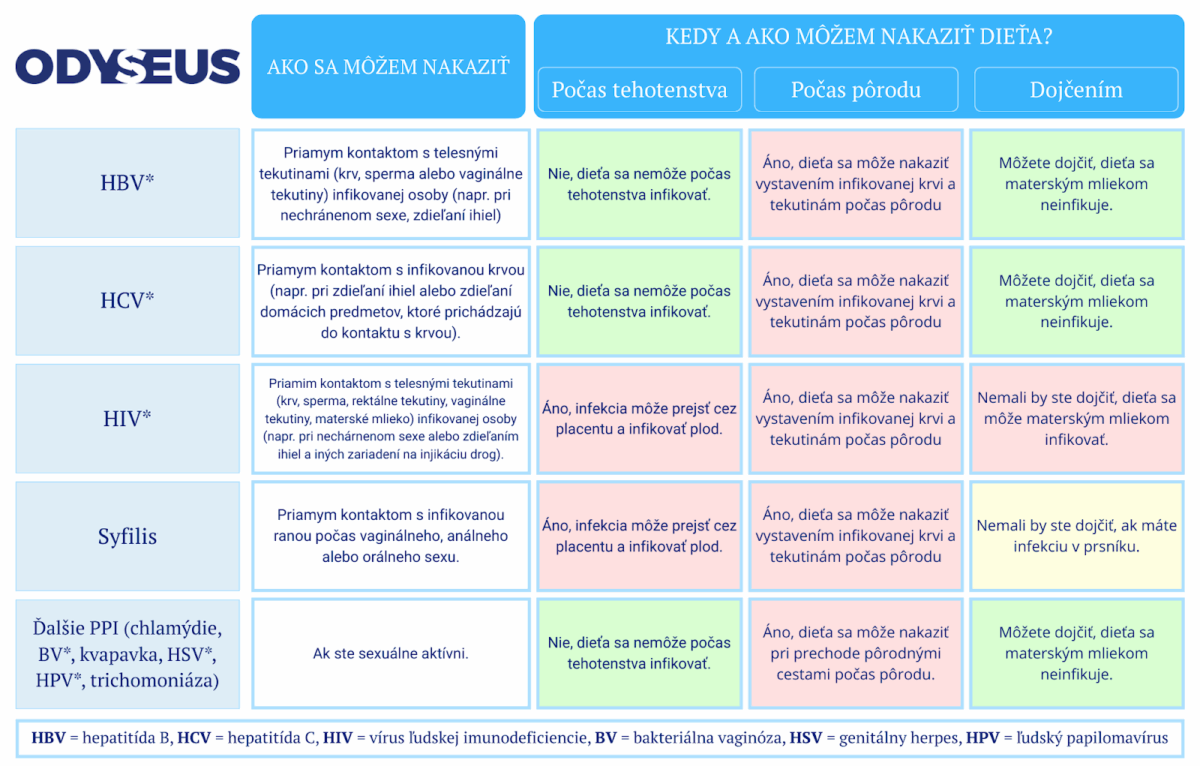

The fact that a pregnant person has no symptoms of any infection does not mean they are not positive for an illness. And the fact that a person tested negative before pregnancy does not mean they cannot become infected during pregnancy.
The only way to avoid STIs is to not have vaginal, anal, or oral sex. If someone is sexually active and wants to reduce the risk of acquiring an STI, there are two options. Either you can be in a long-term mutually monogamous relationship with a partner whose STI tests are negative, or the second option is to use internal or external condoms correctly and consistently.
Not every infected pregnant person will transmit the infection to the fetus. The risk of transmission to the fetus is reduced by early and repeated testing, regular health care, and subsequent treatment (if pregnancy allows it). When addressing this issue, the most important thing is early diagnosis, when the illness is still in its early stages. Therefore, it is necessary to visit your gynecologist as soon as possible; depending on the situation, they will determine what the best solution is for the pregnant person and the fetus. Today, treatment is available for all of the infections listed, regardless of possible health insurance debt or drug use. Treatment can minimize potential health problems not only for the pregnant person but also for the fetus.
For more information about how testing is done and where you can get tested, click here: https://drogy.org/testovanie-na-krvou-a-pohlavne-prenosne-infekcie/
Sources:
Academy of Perinatal Harm Reduction, National Harm Reduction Coalition. 2022. Pregnancy And Substance Use: A Harm Reduction Toolkit. [online]. [quoted 15.04.2024]. URL:
Leave a Reply